Well, the truth is the opposite.
Keep reading to understand why.
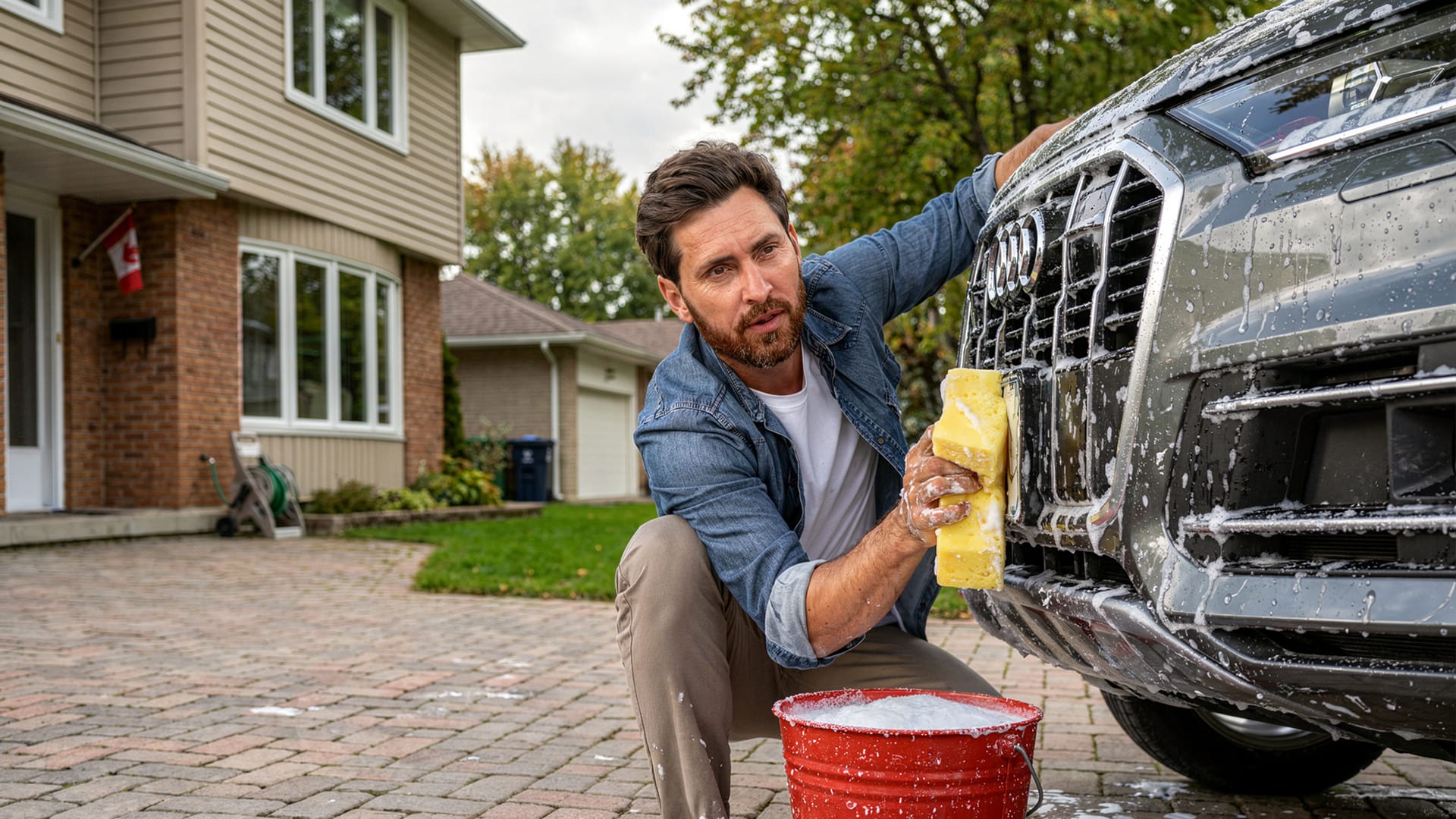
Driveway Car Washing Uses Far More Water Than You Think
Did you know? Washing a car in the driveway uses an average of 440 litres of water.
That’s more than two bathtubs full, and up to 80% more water than a professional car wash.
This means a simple home wash can consume significantly more resources than most people expect.
Professional Car Washes Use Dramatically Less Water
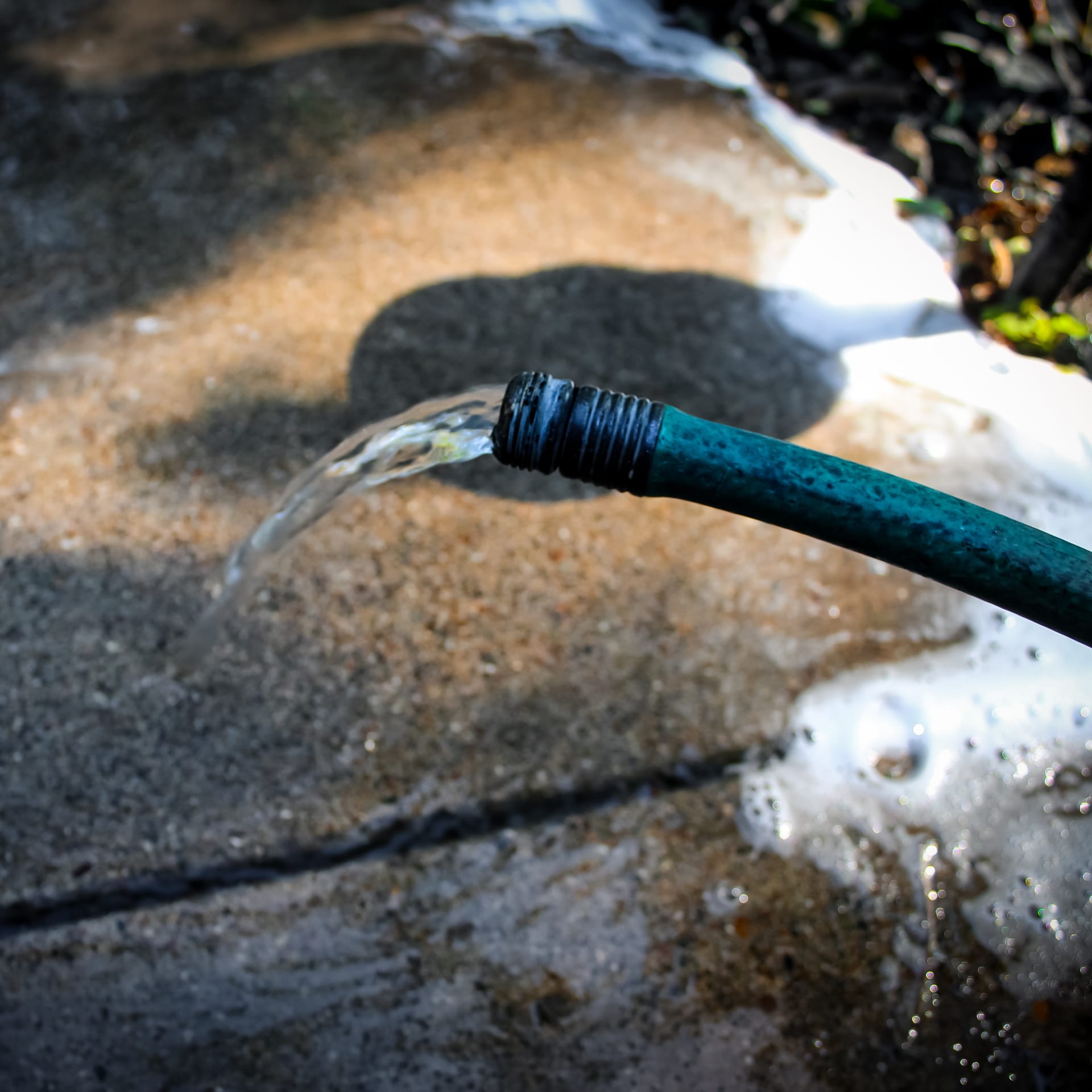
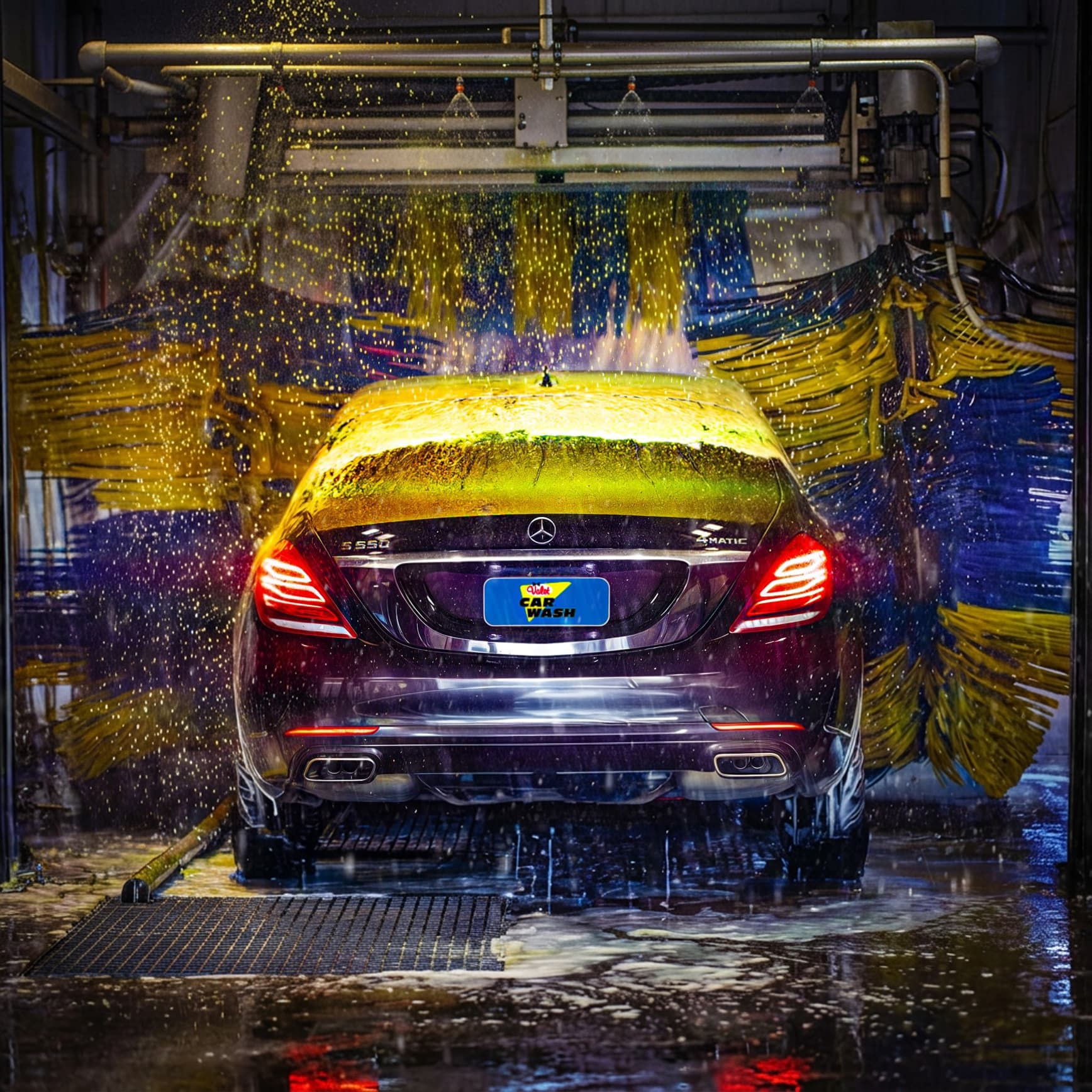
Did you know? Valet Car Wash uses approximately 150 litres or less of water per car.
That’s even less than a typical load in a home washing machine.
Professional systems are designed for efficiency, using controlled spray systems and recycling processes that reduce unnecessary water waste.
What Happens to Water from Driveway Washing?
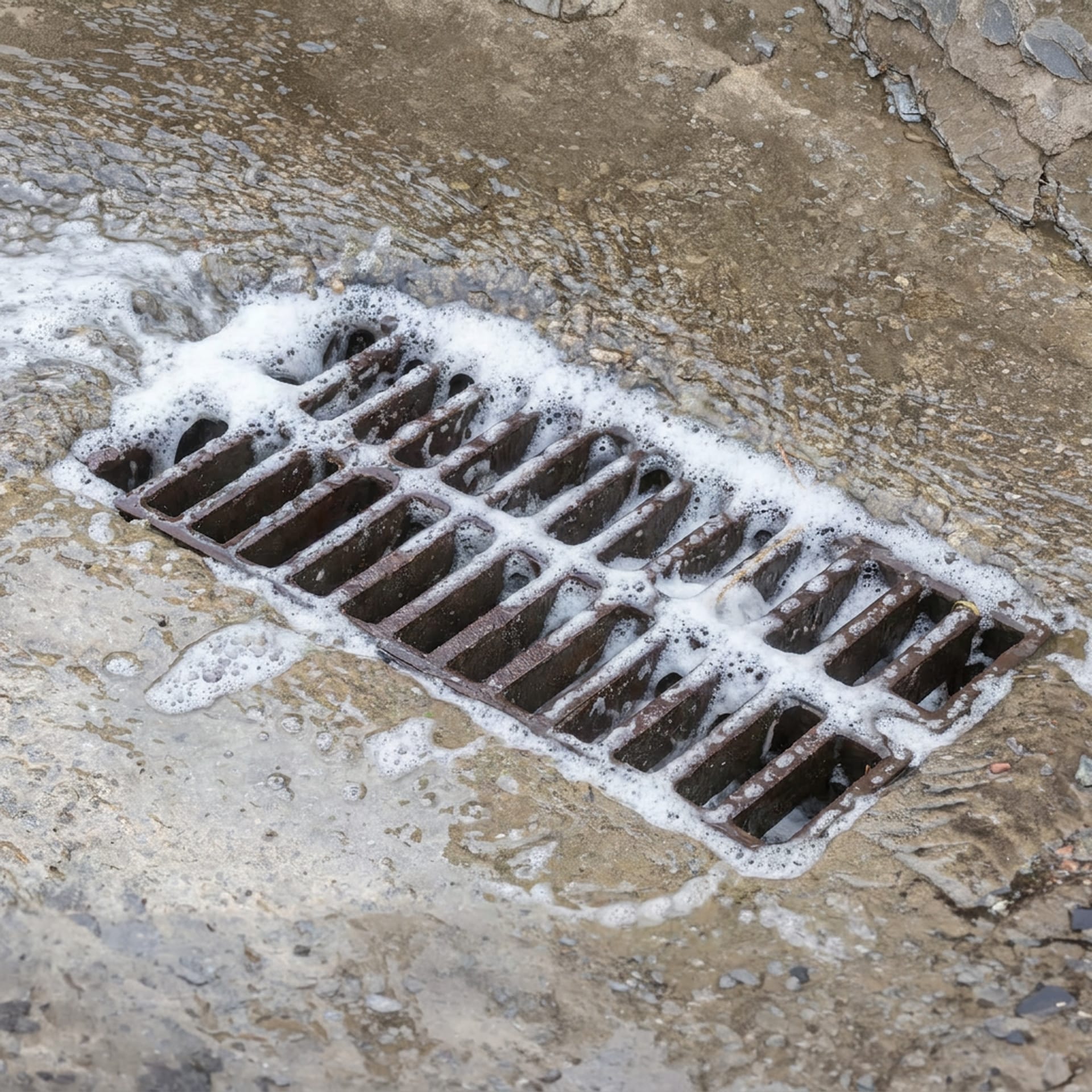
Did you know? When you wash your car in your driveway, soap, oil, and road grime flow into storm drains, which are designed only for rainwater. These drains lead directly to local lakes and rivers without treatment.
This means driveway car washing can ultimately:
- Pollute rivers, creeks, and the Great Lakes
- Harm aquatic life
- Introduce chemicals and oils directly into natural water systems
It is also illegal in Ontario to discharge soapy water or other contaminants into storm drains, as these systems are strictly designed for rainwater only.
Why Professional Car Washes Are Environmentally Safer
Professional car washes operate very differently from driveway washing.
Instead of sending wastewater into storm drains, they:
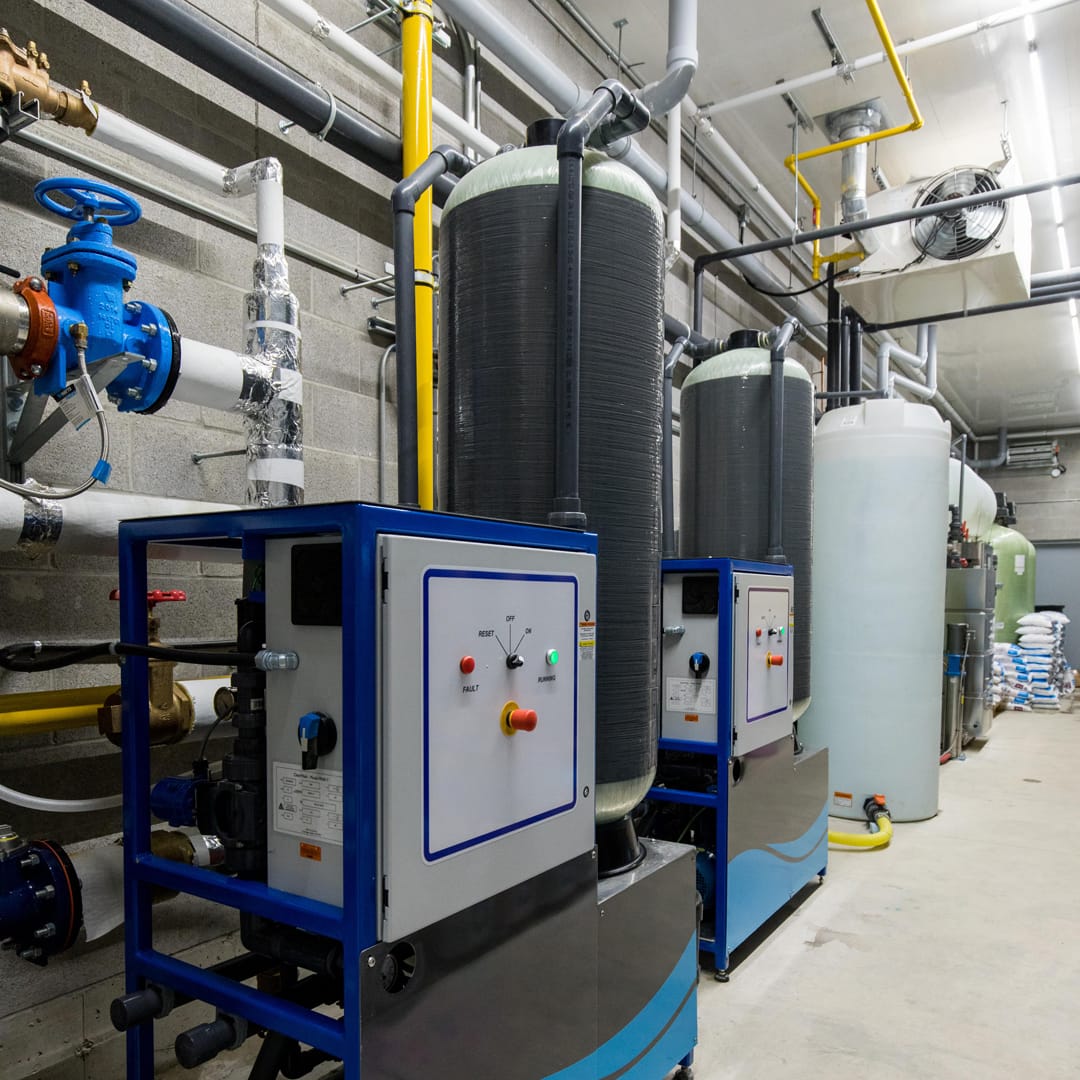
- Collect and manage wastewater properly
- Send it to sanitary sewer systems (the same system used for household wastewater)
- Ensure it is treated before being released back into the environment
This controlled system helps reduce overall water pollution and ensures safer environmental outcomes.
The Most Eco-Friendly Option You Might Not Expect
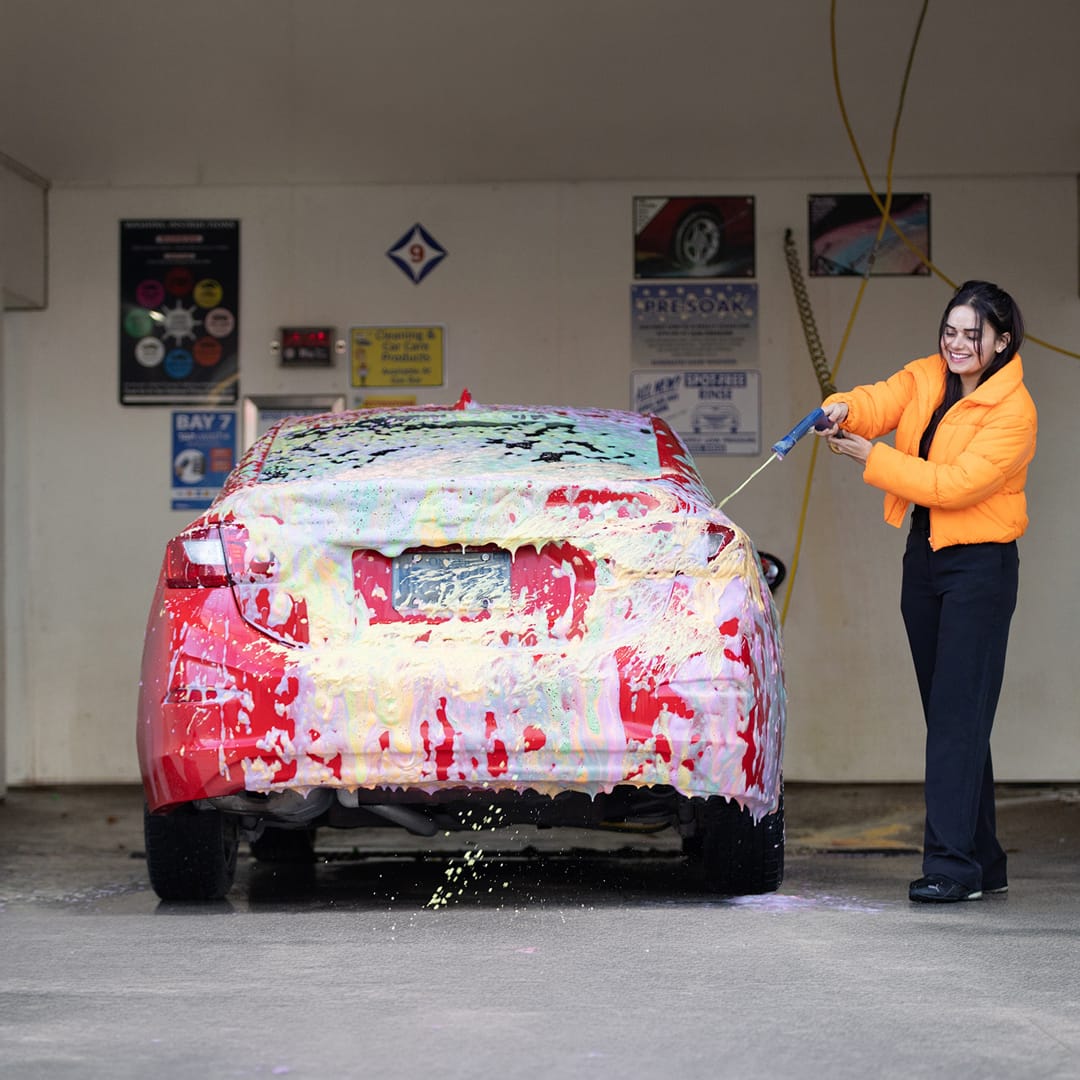
Did you know? The self-serve bays are actually the most eco-friendly option, as they use the least amount of water—even less than automatic tunnel washes.
This makes them a strong choice for environmentally conscious drivers who still want control over their wash.
While driveway washing may feel more natural or convenient, the data shows a very different reality:
It uses significantly more water
It contributes to untreated water pollution
It impacts local ecosystems
It is less efficient than professional systems
Professional car washes, including eco-conscious providers like Valet Car Wash, are designed to use less water and manage wastewater responsibly, making them the more environmentally friendly choice.