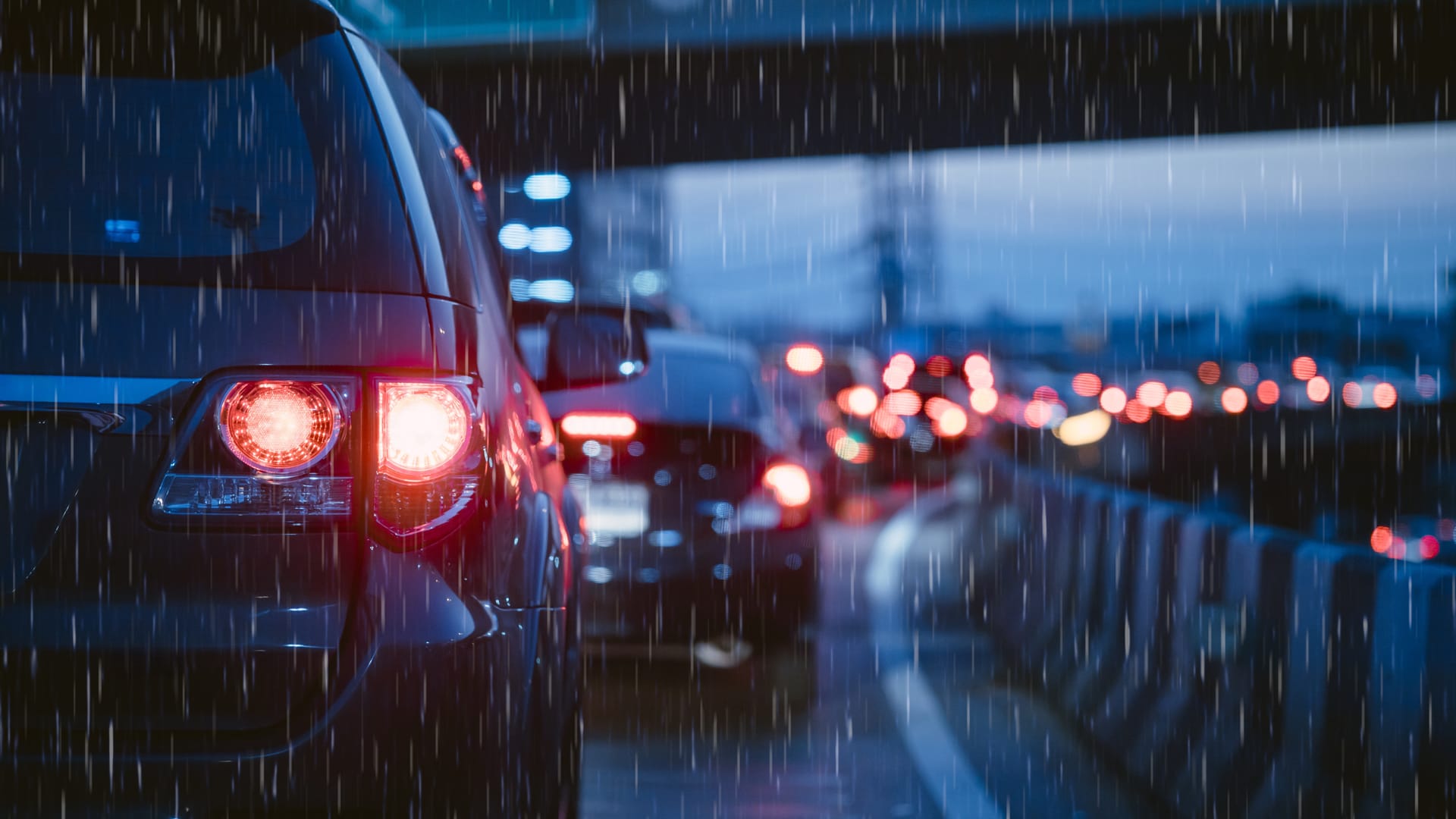
Many people assume rain naturally cleans a vehicle. In reality, it often does the opposite.
While rain may remove loose dust, it can leave behind contaminants that can damage your car’s paint if not washed off properly.
Rain Can Actually Damage Your Paint
You should have your car washed immediately after it rains.
Rainwater can contain pollutants from the atmosphere, leading to what is known as acid rain. When this acid rain sits on your vehicle, even for a short time, it can begin to etch and scar the paint surface.
The risk increases once the sun comes out. As water droplets evaporate, the acid becomes more concentrated, which can lead to marks and etching—especially on flat surfaces like the hood, roof, and trunk.
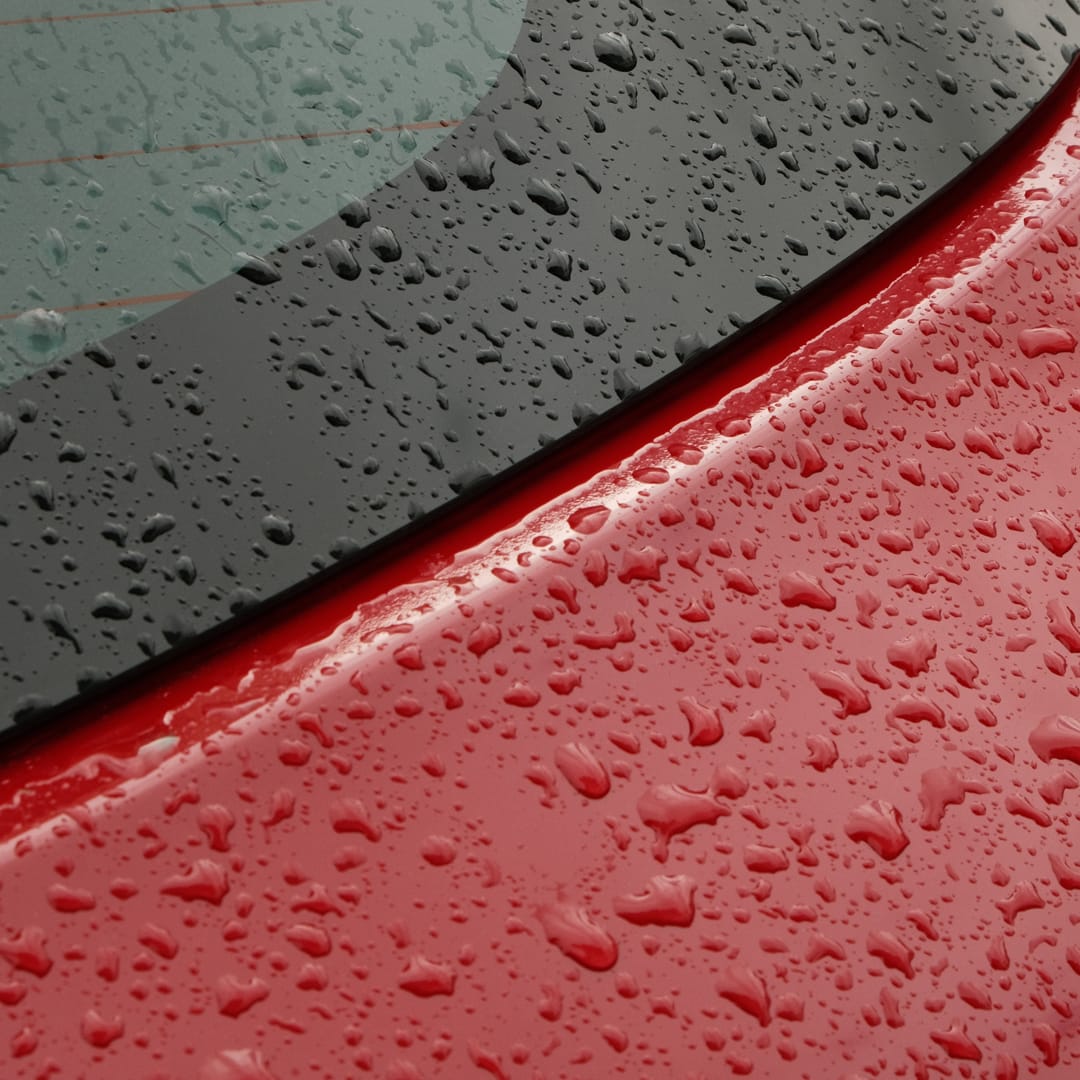
Rainwater Leaves Behind More Than Water
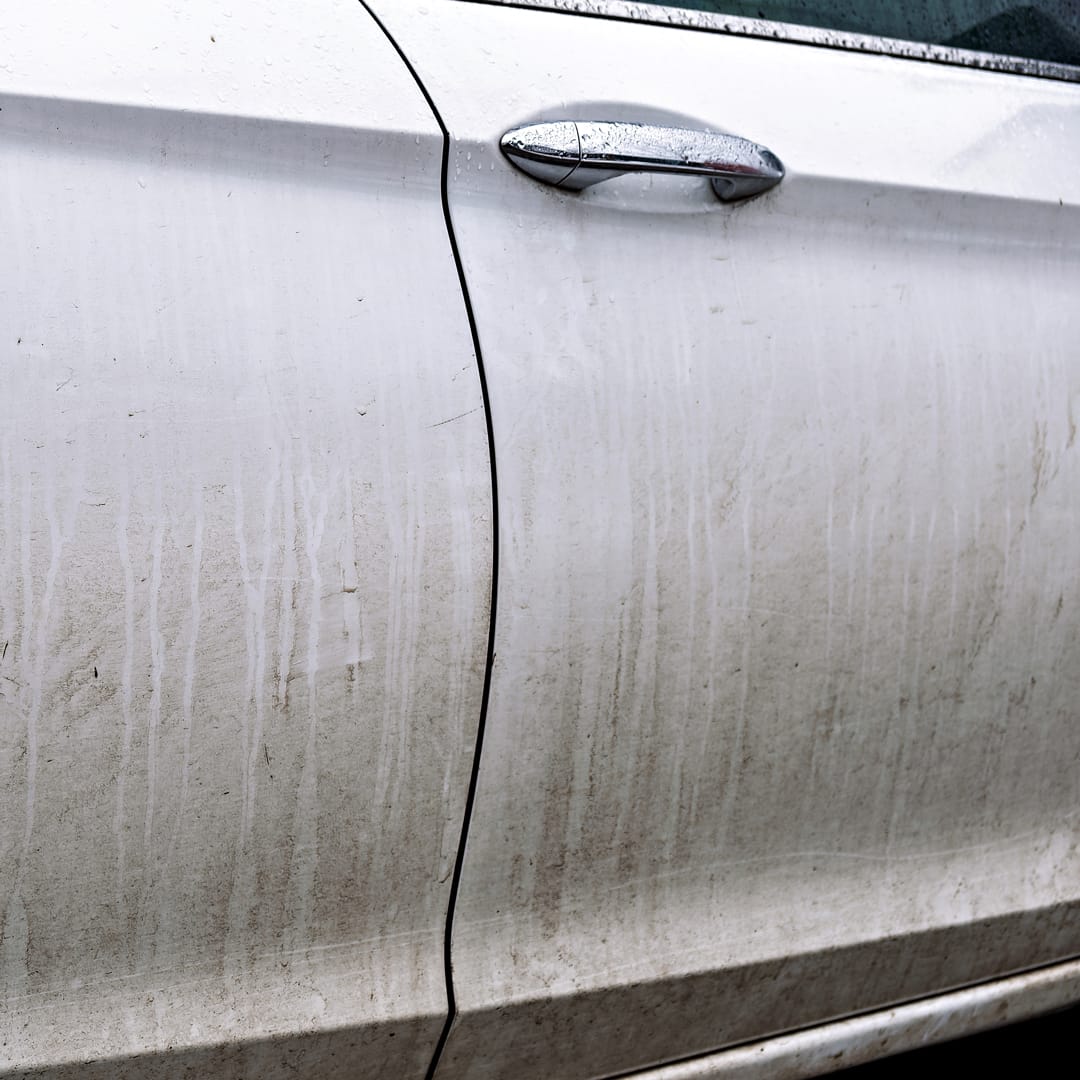
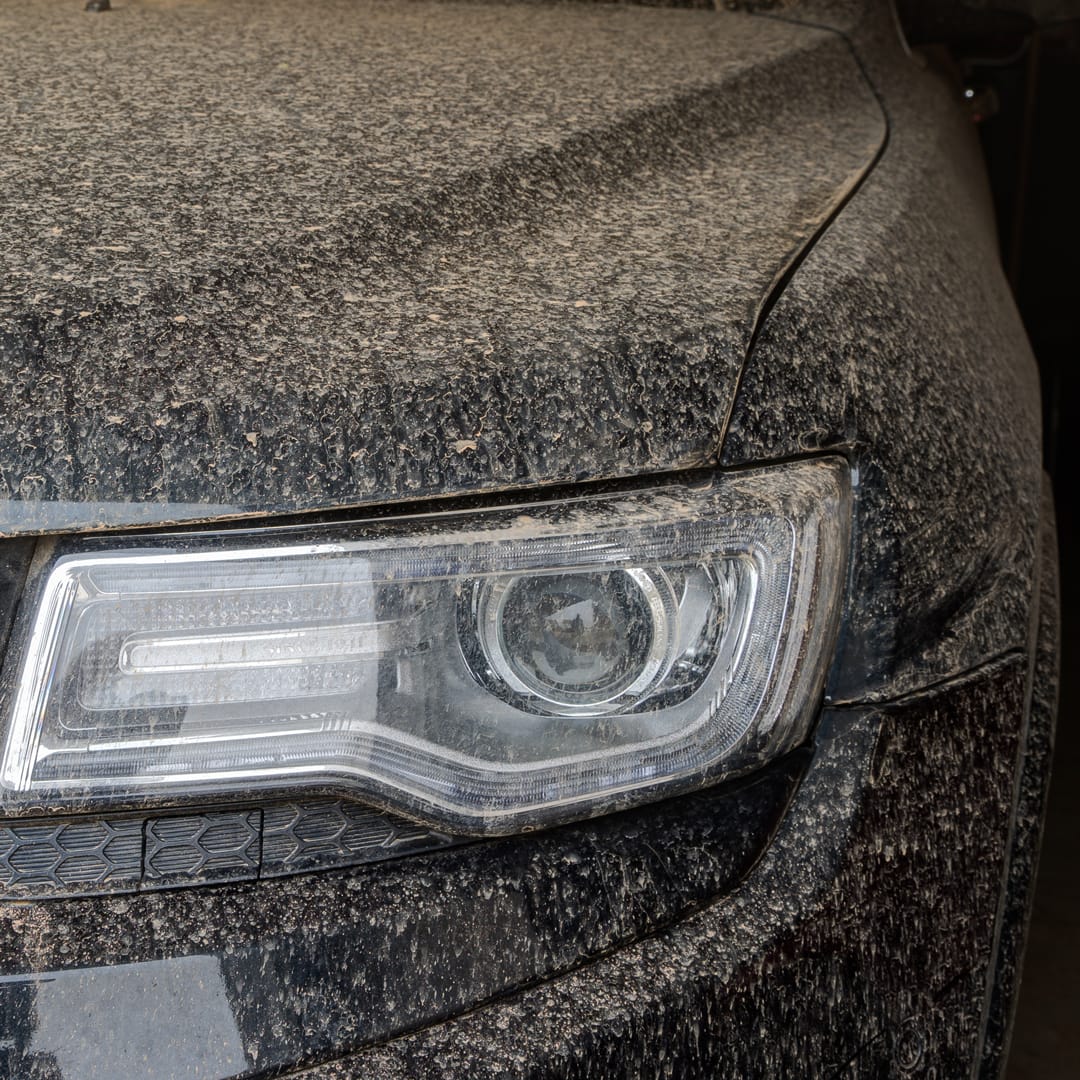
Rainwater is not clean. As it falls and dries on your vehicle, it can leave behind dirt, dust, pollen, road grime, mineral deposits, and acid residue.
These contaminants dry onto the surface and can create stains or blemishes that are difficult to remove. Over time, they may even cause permanent damage to the paint if left untreated.
Why a Professional Car Wash Matters
To protect your vehicle’s paint, it is important to wash it professionally after rain.
Contaminants like bird droppings, insect residue, and decomposing organic matter can create acids that slowly eat into the clear coat. A professional wash removes these materials before they cause long-term damage.

The Hidden Cycle That Damages Paint
There is also a buildup effect when dirt and grime repeatedly get wet and dry on your vehicle. Each cycle makes contaminants bond more strongly to the surface, making the car harder to clean over time.
This is why regular washing is important, especially after rain. Adding wax or ceramic coating can also help reduce how easily dirt sticks to the paint.
What Happens If You Don’t Wash It Off
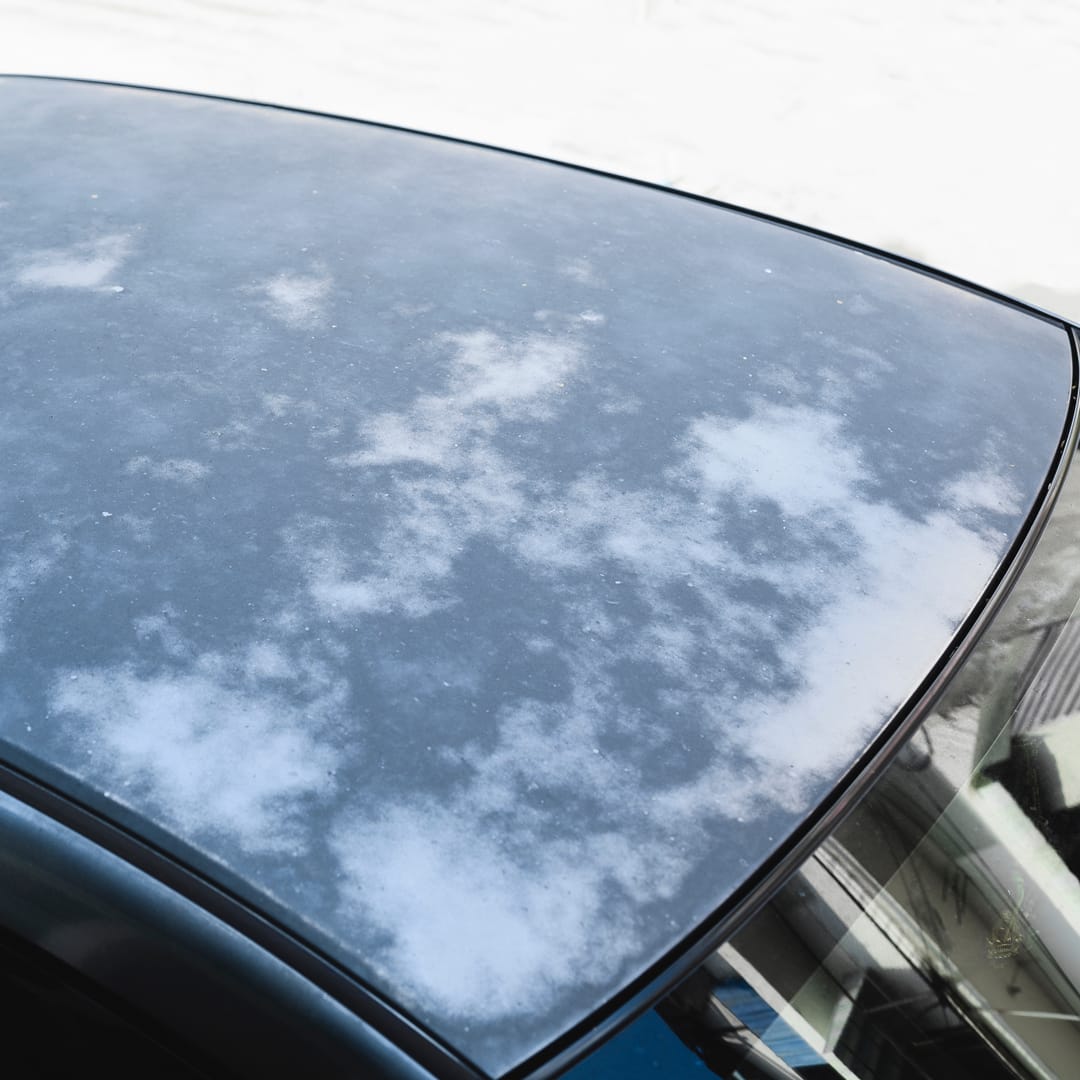
When acidic water and contaminants are left on the surface and repeatedly dried by the sun, they can cause:
- Water spotting
- Dull or faded clear coat
- Etching marks
- Long-term oxidation
These issues often build up gradually but can become permanent if ignored.
How to Protect Your Vehicle
Quick removal of contaminants is key to maintaining your paint finish. Watch out for bird droppings, tree sap, industrial fallout, hard water spots, and environmental pollutants.
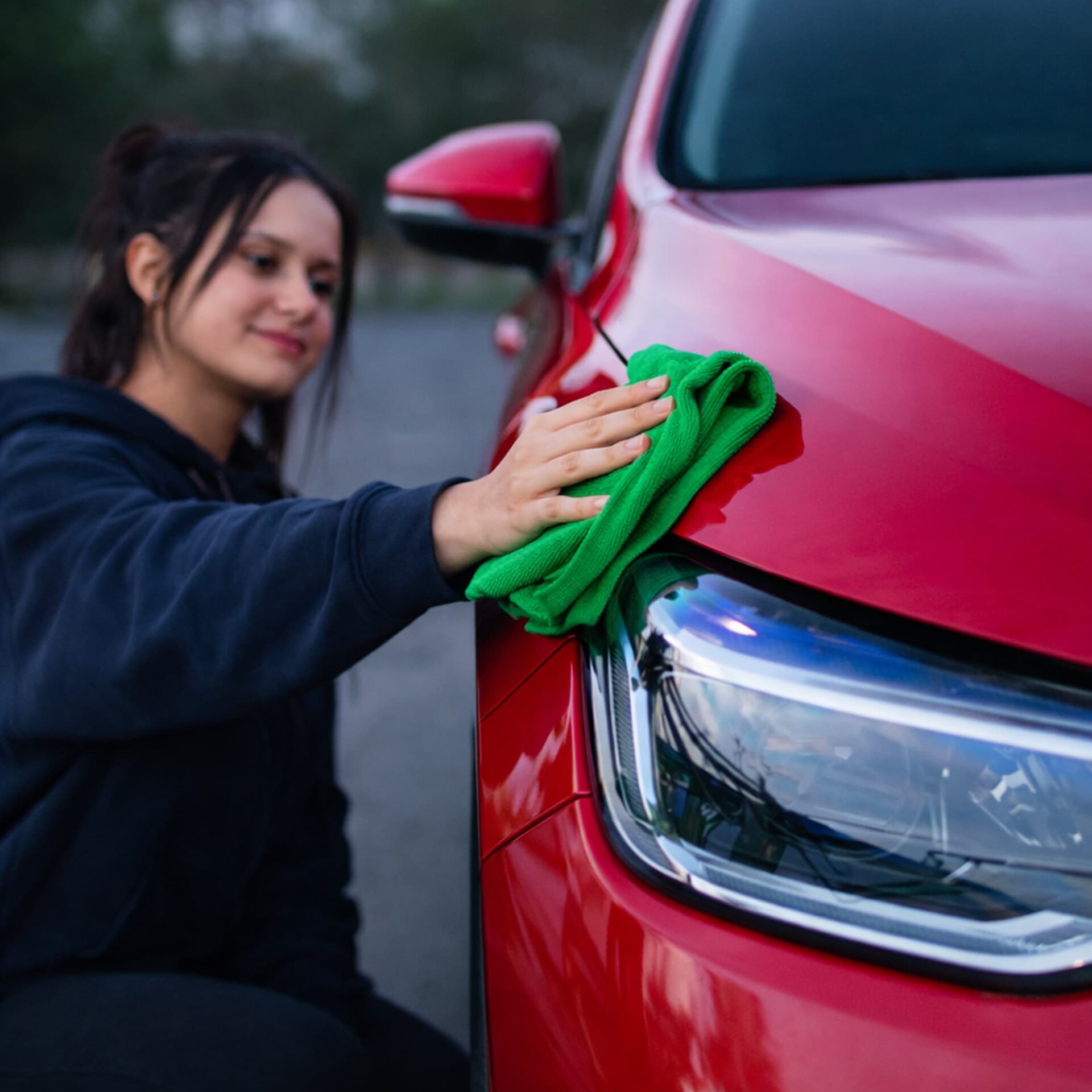
Regular washing every 2–3 weeks is recommended, along with washing immediately after rainfall when possible. Waxing twice a year—spring and fall—adds an extra layer of protection.
Rain doesn’t clean your car, it exposes it to contaminants that can damage your paint over time. The combination of acid rain, dirt, and mineral deposits can slowly degrade your finish if not addressed.
A simple routine of regular washing, quick cleaning after rain, and seasonal waxing is the most effective way to protect your vehicle and keep it looking its best.