As summer comes to an end and temperatures start dropping, Ontario drivers begin asking the same question:
When should I put my winter tires on?
There isn’t one official date that applies to every driver across Ontario. Weather can change quickly from one region to another, and Ontario does not require most passenger vehicles to have winter tires installed by a specific date.
Instead, the best time to make the switch depends on temperature, driving conditions and where you live in Ontario.
For most Ontario drivers, October is a good time to start planning your winter tire change, with installation ideally completed before temperatures regularly fall below 7°C.
When Should You Put Winter Tires on in Ontario?
A good rule of thumb is to switch to winter tires when temperatures are consistently around 7°C or lower, particularly if you drive early in the morning or late at night.
Why 7°C?
Winter tires are made with rubber compounds designed to stay flexible in cold temperatures. As temperatures drop, all-season tires can become less flexible and provide less grip. The Ontario government notes that all-season tires can start to lose grip at around 7°C but that doesn’t mean you need to rush to a tire shop the first time the temperature hits 7°C. Ontario weather can swing considerably in October and November. Instead, watch the overall temperature trend and your typical driving conditions.


Did You Know?
Winter tires can help lower your car insurance premium in Ontario. Ontario requires auto insurers to offer a discount to drivers who install winter tires. The amount of the discount varies by insurance provider, so check with your insurer to see how much you could save.
When Should I Put Winter Tires on in Ontario in 2026?
- GTA & Southern Ontario · Target window: late October to early November 2026
- Southwestern Ontario (Windsor, London, Chatham) · Target window: late October to early November 2026
- Hamilton, Brantford & Niagara · Target window: late October to early November 2026
- Eastern Ontario (Ottawa, Kingston) · Target window: mid to late October 2026
- Northern Ontario (Sudbury, North Bay, Thunder Bay) · Target window: early to mid-October 2026
Don’t Forget to Check Your Winter Tires Before Installing Them
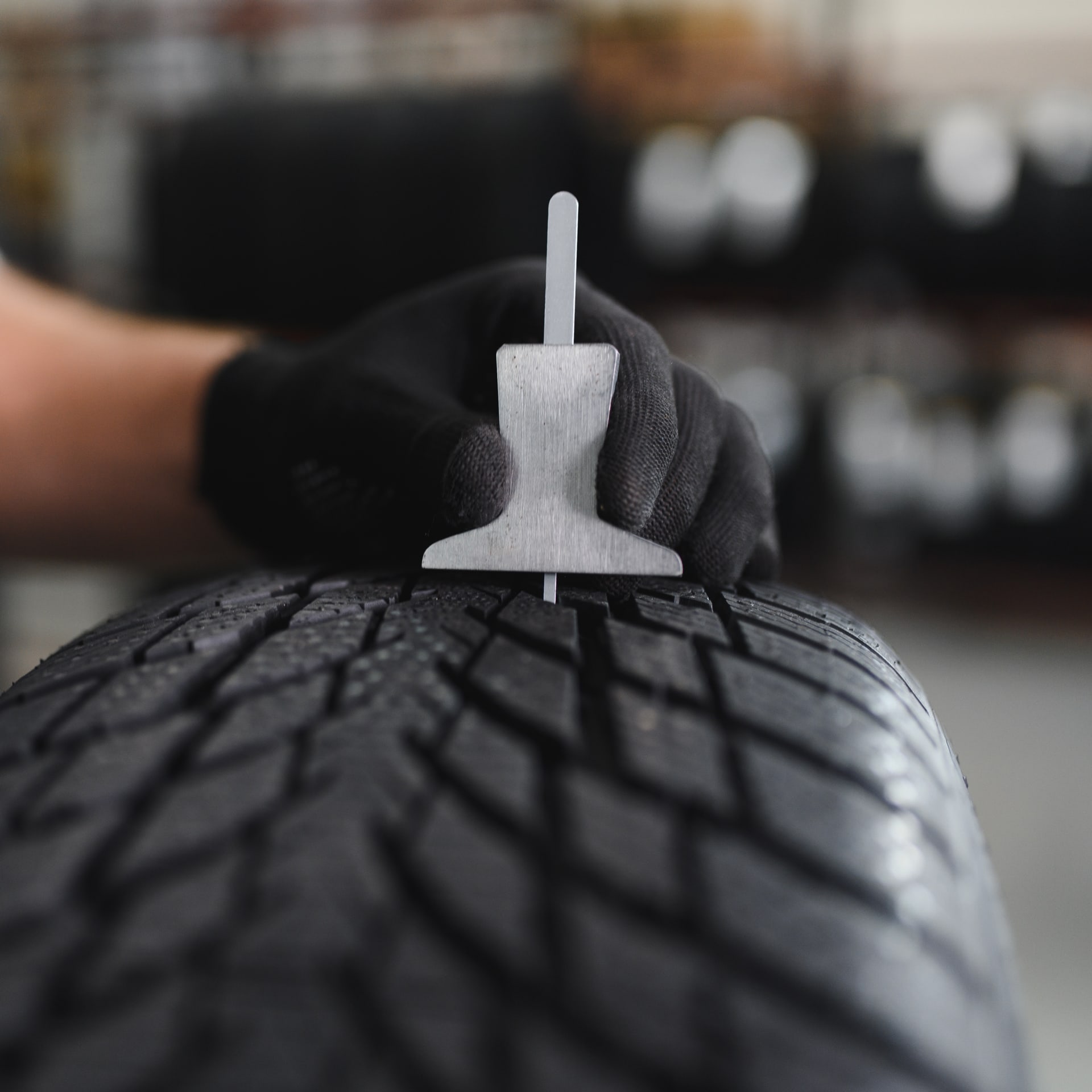
If your winter tires have been sitting in storage since spring, give them a quick inspection before putting them back on your vehicle.
Look for visible damage and check the tread. Your vehicle owner’s manual and tire manufacturer’s recommendations can also help determine when your tires need to be replaced.
The Ontario Ministry of Transportation recommends four winter or all-weather tires with the same tread pattern for the best winter traction.
If you’re unsure about the condition of your tires, have them inspected by a qualified technician.
Before installing your winter tires, check for:
- Uneven tread wear
- Cracks or damage
- Bulges or other visible defects
- Low tread depth
- Tire age
- Correct tire pressure
Check Your Tire Pressure as Temperatures Drop
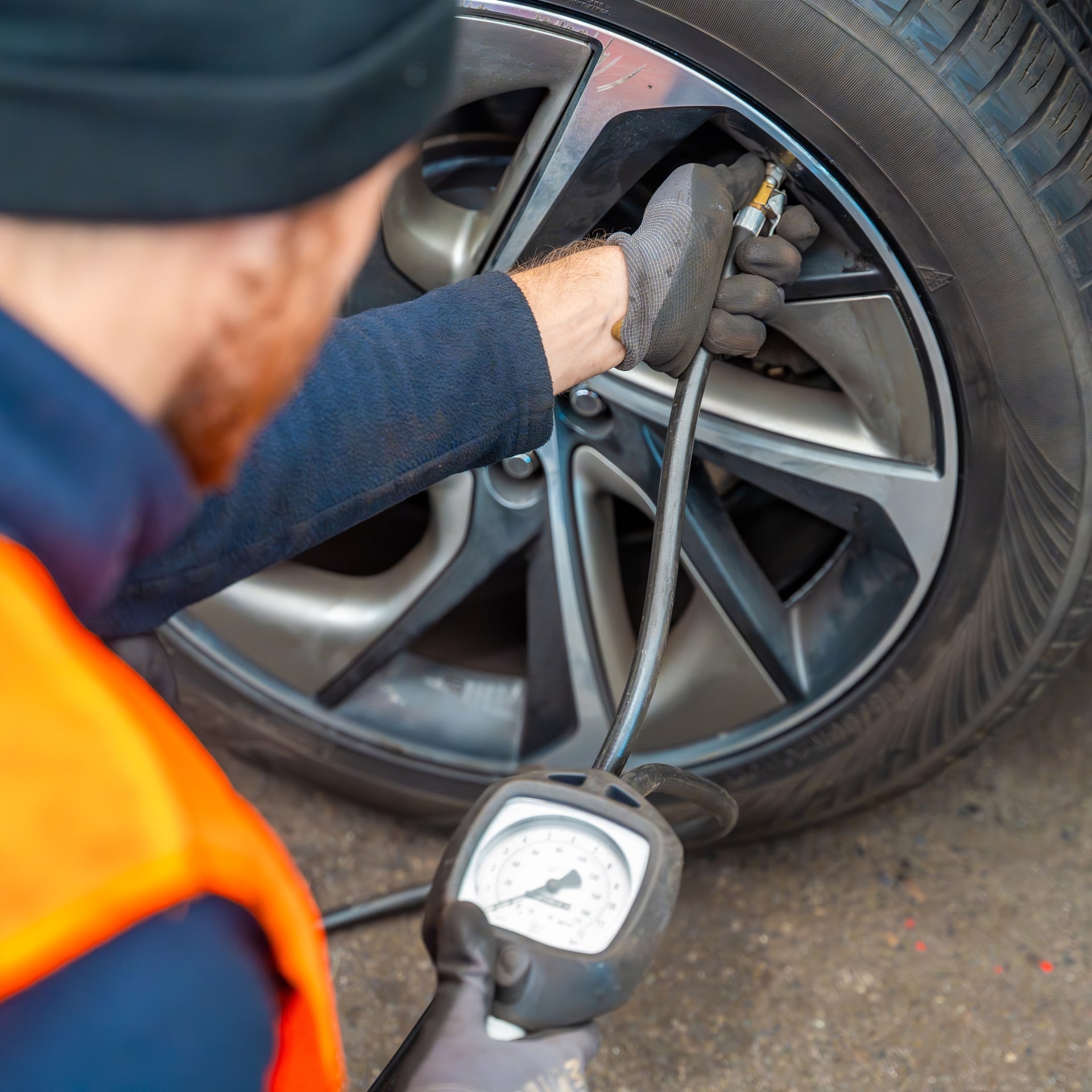
As temperatures fall, so does your tire pressure. Tire pressure can drop by roughly 1–2 PSI for every 10°C decrease in temperature. Check your tire pressure regularly throughout the fall and winter to help maintain proper inflation, handling and tire performance.
The correct tire pressure for your specific car is usually listed in three places:
- Driver-side door jamb sticker: Open the driver’s door and look for a label showing the recommended PSI for the front and rear tires.
- Owner’s manual: It will list the manufacturer’s recommended tire pressure.
- Vehicle’s infotainment system/app, on some newer cars.
Don’t use the number printed on the tire itself as your recommended pressure. That number is usually the tire’s maximum allowable pressure, not the pressure your vehicle should normally run.
Why Choose a Professional for Your Winter Tire Swap?
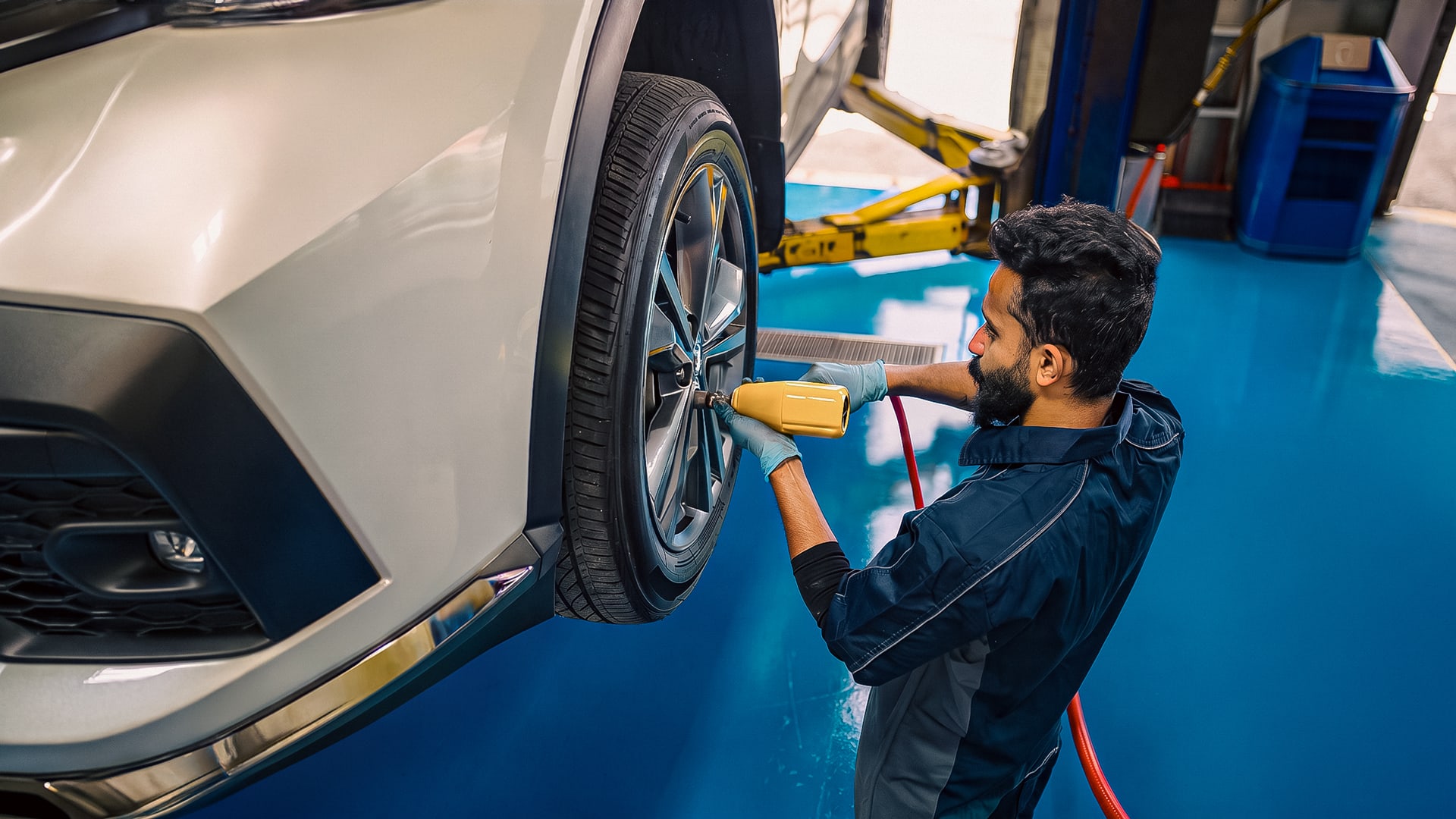
A seasonal tire change is more than simply taking one set of tires off and putting another on. A professional technician can inspect your tires for wear or damage, install them correctly, check tire pressure and ensure the wheels are properly secured.
Having your tires professionally installed also means potential issues can be caught before you hit the road in winter conditions. Ontario recommends regular checks for tire wear and pressure, and notes that worn or damaged tires can make winter driving less safe.